
Social Media Addiction
Psychological Impact
Regular and heavy social media use has been closely linked to poor mental health. A national study published in JAMA Network found that teens who spent more time on social platforms showed higher levels of depression over time. Other research shows that young people who struggle to control their social media use—feeling stressed when they’re offline or ignoring other responsibilities—often experience increased anxiety, stress, low mood, and even insomnia. In a U.S. survey of high school students, 77% reported using social media several times a day, and those who used it the most were significantly more likely to feel persistently sad or hopeless, face bullying, or even experience suicidal thoughts or plans.

Social Media Addiction
It is estimated that about 10% to 20% of teens suffer from social media addiction which makes it useful to know how to identify warning signs
-
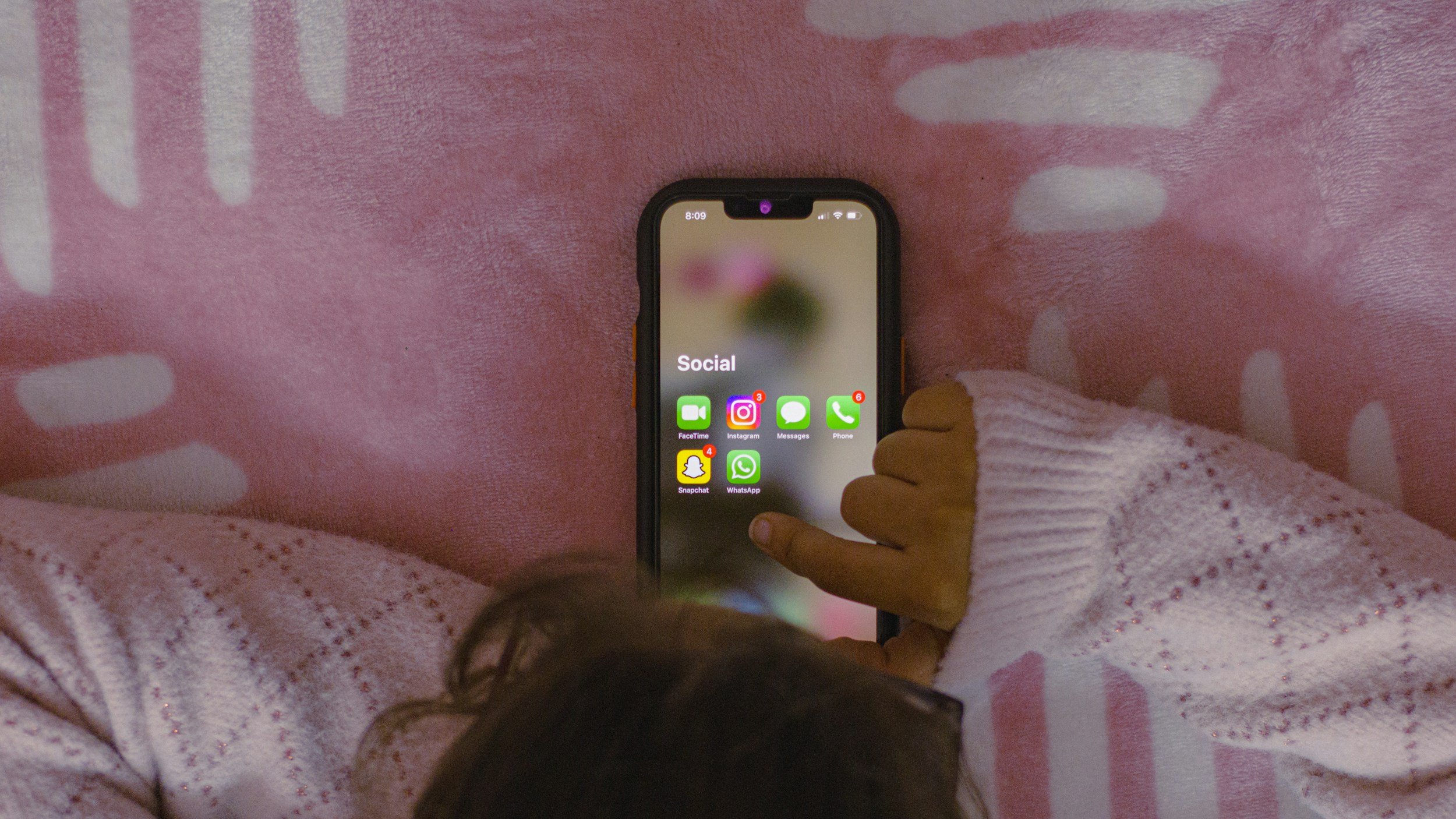
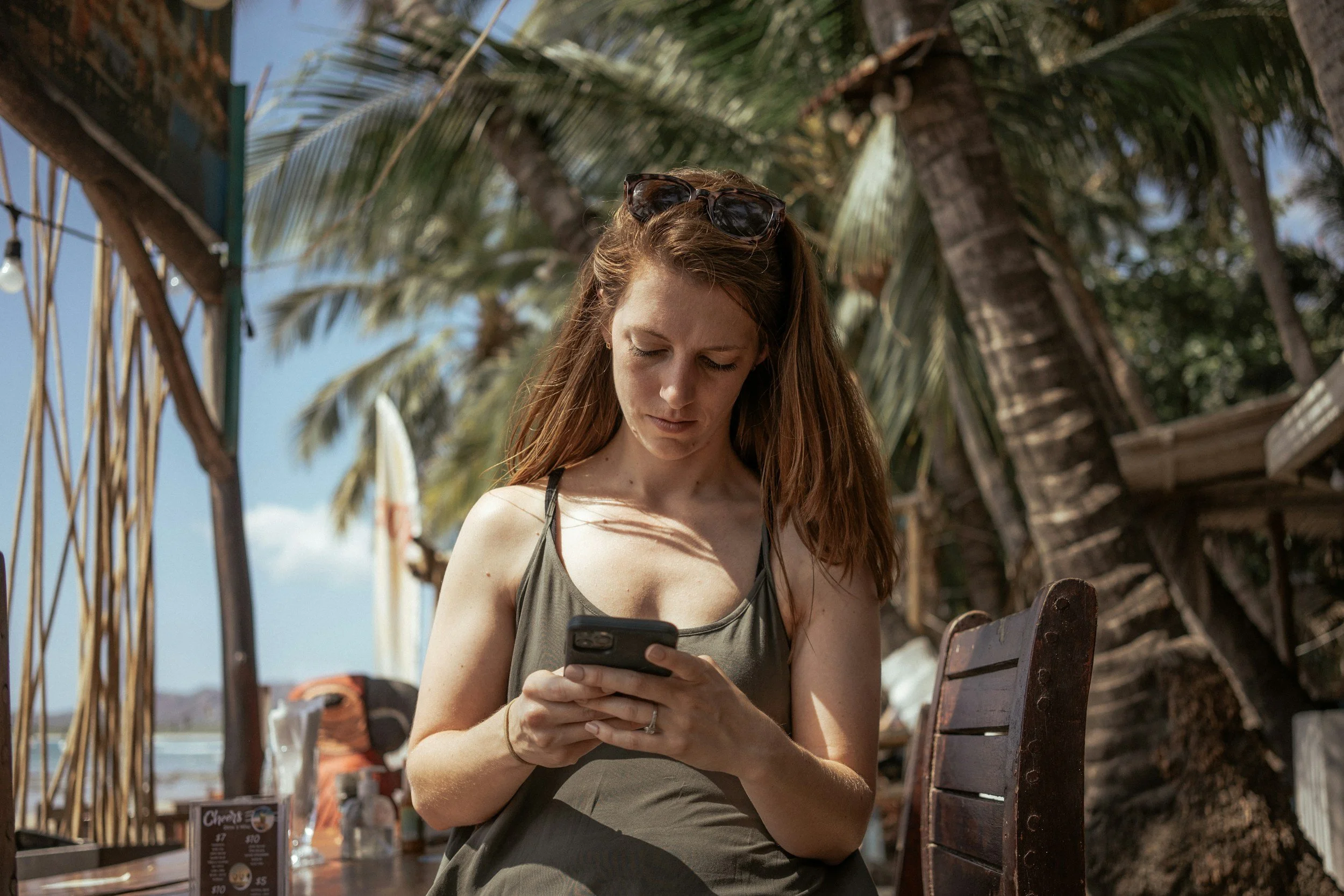
Constantly checking your phone even when busy or not expecting message
-
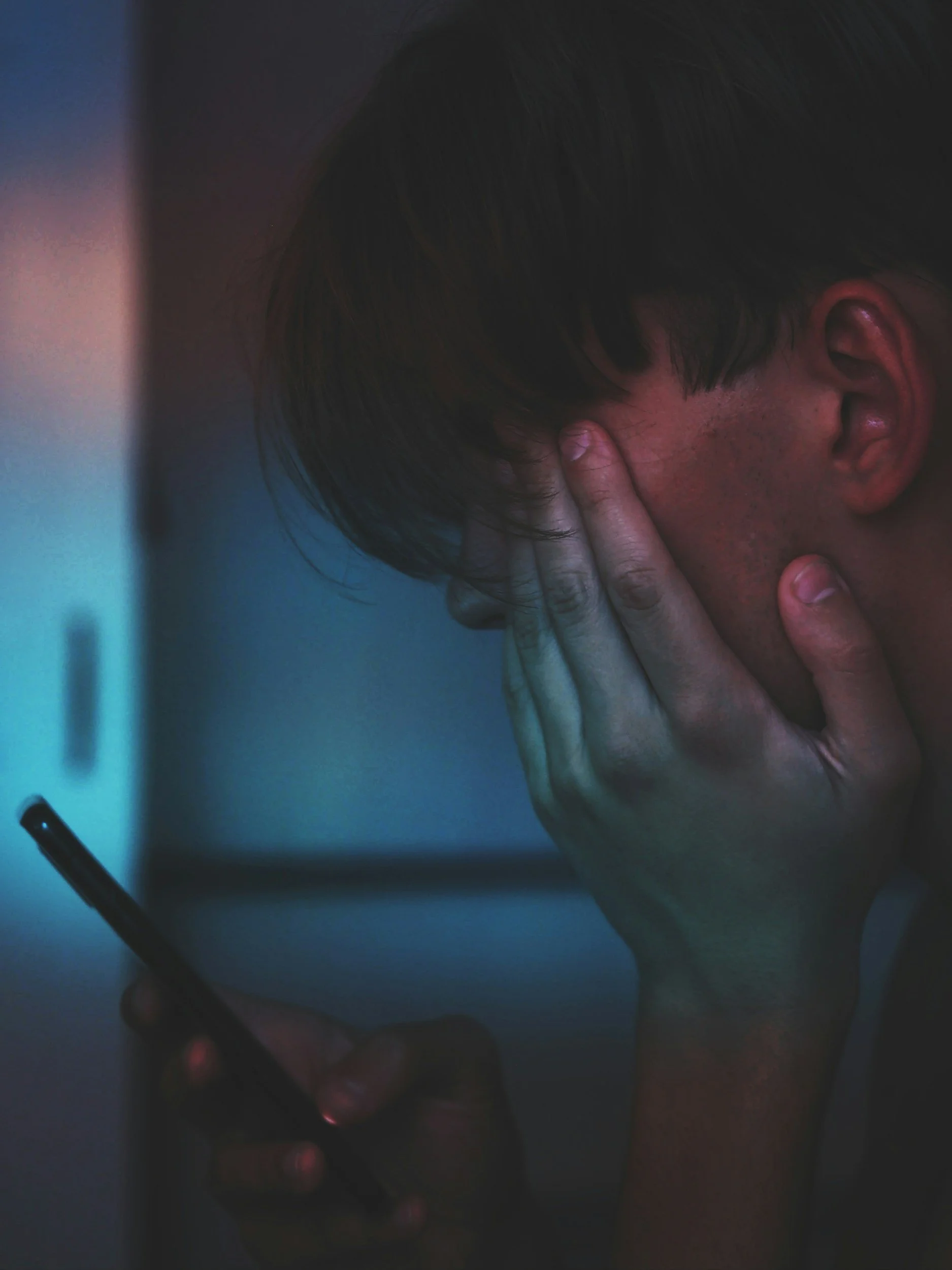
Emotions such as stress or happiness are impacted by likes, comments, and/or what you see online.
-
Stay up late scrolling on social media or let social media get in the way of studying or other responsibilities.
FAQs
-
Check if the three key warning signs apply to you: constant checking, mood changes, sleep loss, and difficulty stopping
-
Researchers have found that more than three hours on social media per day is linked with mental health risks
-
Turning on app limits, limiting phone usage, meditation, and turning your phone off an hour before bed are all ways to limit using social media